
What Is Self-Care?
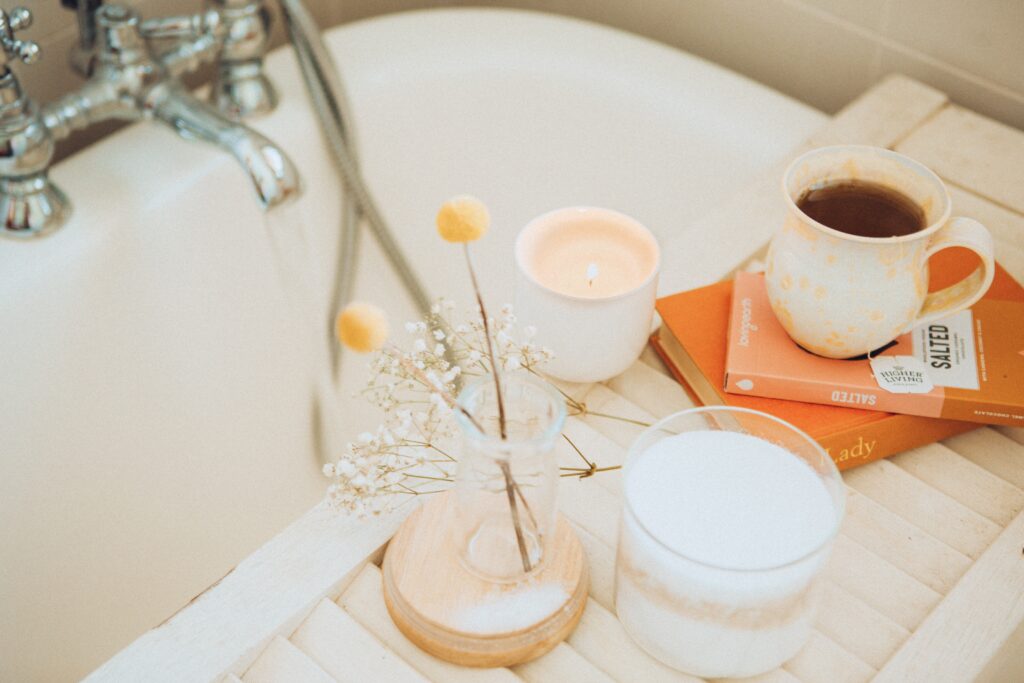
We hear the word self-care everywhere.
But most of what’s been labeled as self-care feels surface-level. Spa days. Treats. Breaks from stress. Occasional rest when everything else is done. And while those things aren’t wrong, they often miss something deeper:
Self-care isn’t something you do when you’re depleted.
It’s how you stay connected to yourself in the first place.
Self-care is not escape—it’s reconnection. At its core, self-care is not about indulgence or escape. It’s about learning how to stay in relationship with your body.
To notice:
- when you’re tired
- when you’re overstimulated
- when you need movement instead of more sitting
- when you need rest instead of pushing through
- when your system is asking you to slow down
Self-care is not about doing more for yourself. It’s about listening sooner.
Most people associate self-care with things that happen outside of daily life:
- spa days
- long baths
- occasional breaks
- treats or rewards
And while these can feel supportive, they don’t replace what the body actually needs day to day. Because your nervous system doesn’t only need occasional restoration. It needs ongoing regulation through how you live.
Real Self Care Happens in Small Moments

Self-care is not one big ritual. It’s the small decisions you make throughout your day:
- Do I need to keep pushing, or do I need to pause?
- Am I holding tension I haven’t noticed yet?
- Have I moved my body today in a way that releases stress?
- Have I checked in with how I actually feel?
This is where self-care becomes embodied. Not conceptual. Not aesthetic. Lived.
Self-care is nervous system support
From a body perspective, self-care is really about regulation. Your system is constantly shifting between:
- activation (stress, urgency, stimulation)
- and recovery (rest, digestion, grounding, repair)
When there’s no balance between the two, you start to feel:
- exhausted but wired
- overwhelmed
- disconnected from your body
- reactive or shut down
- stuck in overthinking
Self-care is what helps bring you back into balance. Not perfectly. Just more often.
Movement Is One of the Most Overlooked Forms of Self-Care

Self-Care Is Not Selfish—It’s Regulation
There’s often a quiet belief that tending to yourself is indulgent or unnecessary. But from a nervous system perspective, the opposite is true. When you’re more regulated:
- you think more clearly
- you respond instead of react
- you move with more ease
- you recover faster from stress
- you show up more fully in your life
Self-care doesn’t take you away from your responsibilities, it supports your ability to meet them.
A Simple Way To Start
If you want to begin, don’t overthink it. Start here:
Once a day, pause and ask:
What does my body need right now?
And then listen for something simple:
- movement
- rest
- hydration
- stillness
- breath
- space
Then respond to it, even in a small way.
That is self-care.
Not a ritual you earn.
Not something you schedule once everything is done.
It is the ongoing practice of staying connected to your body while you live your life. Not perfectly. Just consistently enough to stay in relationship with yourself.
Thank you for being here. I’m glad you found your way.
Join the newsletter for thoughtful insights, resources, and updates.
Come say hi on Instagram.