What Mindfulness Looks Like Inside a Pilates Practice
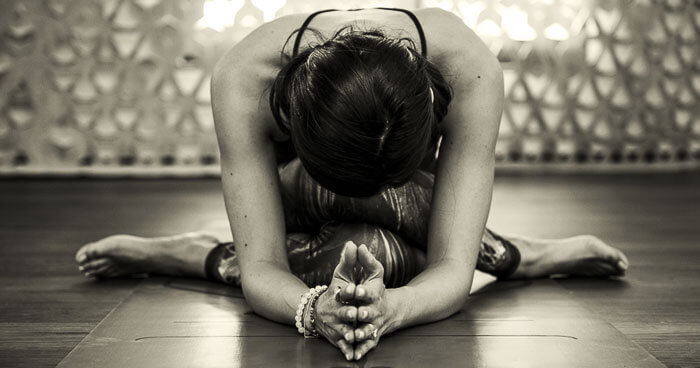
Most people think of mindfulness as something separate from movement. Something you do sitting still. Eyes closed. Trying to quiet your thoughts.
But mindfulness isn’t a separate practice from life. And it isn’t separate from movement. In fact, one of the most accessible ways to build mindfulness is through how you move your body.
This is where Pilates becomes powerful—not just as exercise, but as a practice of attention.
- noticing how you’re moving
- feeling where effort is needed—and where it isn’t
- paying attention to breath, alignment, and control
- staying with sensation instead of rushing through it
It’s about being present inside the movement.

What Mindfulness Looks Like in Pilates
You don’t need a separate meditation practice to build awareness.
In Pilates, mindfulness shows up as:
- noticing when you’re holding tension in your neck or jaw
- feeling your breath support a movement instead of holding it
- recognizing when you’re rushing and choosing to slow down
- adjusting based on sensation instead of forcing range
- staying connected to your core instead of just “going through the reps”
This is mindfulness in action.
Physical. Real. Immediate.
Pilates naturally trains attention.
One of the reasons Pilates is so effective is because it requires awareness. You cannot do Pilates well while completely disconnected from your body.
It asks you to:
- focus on precision
- coordinate breath and movement
- stabilize while moving
- notice small adjustments in real time
This builds what you could call embodied attention—the ability to stay present inside your physical experience. And that skill doesn’t stay on the mat. It carries into how you walk, sit, react, and move through your day.

Where “Meditation” Actually Fits In
If we zoom out, meditation and movement are not opposites. But in real life, most people don’t need more separation from their body.
They need reconnection to it.
So instead of thinking of meditation as “stillness practice” and Pilates as “movement practice,” it’s more helpful to see it like this:
- Pilates builds mindfulness through movement
- Stillness practices (if used) help you notice what’s already there
But the foundation is the same: paying attention to your body, on purpose, in real time.
Why This Matters More Than You Think
Most people move through their day in one of 2 modes:
- on autopilot
- or overthinking what they’re doing
Both disconnect you from your body. Mindful movement interrupts that pattern.
It brings you back into:
- sensation instead of analysis
- coordination instead of chaos
- presence instead of autopilot
And over time, that changes how you relate to your entire life—not just exercise.
Pilates as a Daily Mindfulness Practice
You don’t need to “add mindfulness” to Pilates. You just need to do Pilates with attention.
Here’s what that looks like:
- Slow down enough to feel
If you can’t feel the movement, it’s too fast.
- Let breath lead
Instead of holding your breath to stabilize, use breath to support control.
- Notice effort vs. awareness
There is a difference between forcing a movement and sensing a movement.
- Adjust based on sensation, not ego
Small corrections matter more than big intensity.
- Stay present for the full set
Not just the beginning. Not just the end.
The whole experience.
Over time, something subtle changes.
You start to:
- notice your body earlier instead of later
- recognize tension before it becomes pain
- move with more control and less compensation
- feel more “inside” your own life
Not because you’re trying to be mindful, but because you’ve trained your attention to stay with your body.
This is what “embodiment” actually means.
Learning how to stay present inside your body while you move through your life. Pilates is simply one of the most structured ways to practice it.
You don’t need a perfect meditation practice. You don’t need more information about mindfulness. You need more moments of attention inside your actual body. And movement is one of the most direct ways to get there.
So the next time you step onto the mat or reformer, try this:
Don’t just do the movement.
Feel the movement.
Thank you for being here. I’m glad you found your way.
Join the newsletter for thoughtful insights, resources, and updates.
Come say hi on Instagram.