Finding the Right Words: Pilates Cueing 101
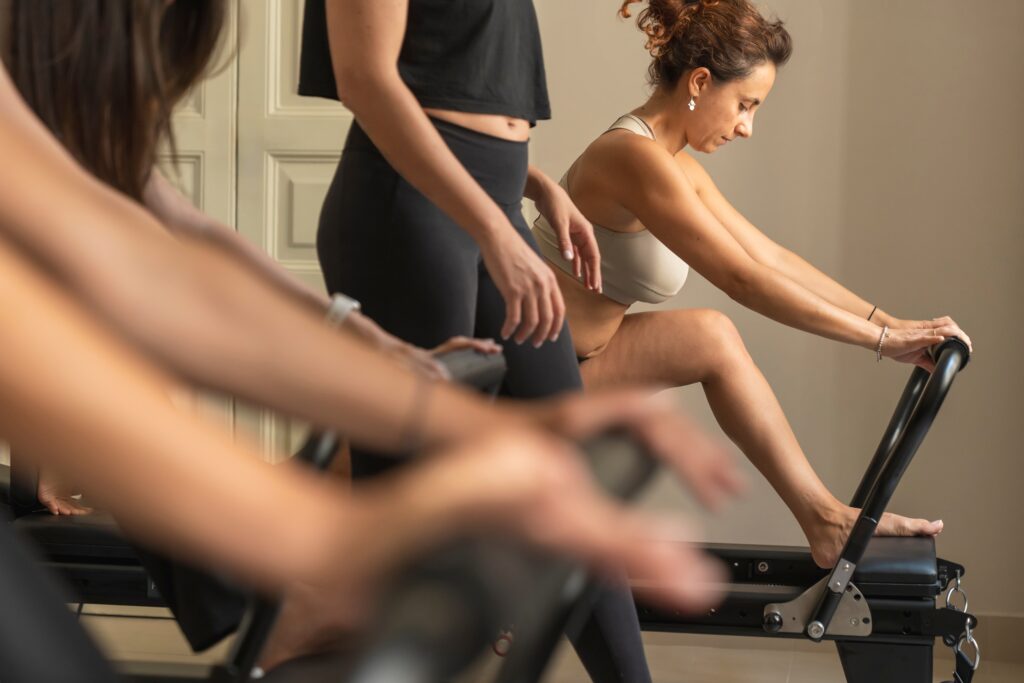
Cueing is one of the most powerful tools a Pilates teacher has.
It’s not just about telling people what to do, it’s about guiding how they move, where they place their attention, and what they feel in their body. When cues are clear and intentional, an exercise becomes less mechanical and more embodied.
Whether you’re a new teacher finding your voice or an experienced instructor refining your craft, understanding the fundamentals of cueing can dramatically improve your classes, for both you and your students.
What Is Pilates Cueing, Really?
At its core, cueing is communication between nervous systems.
Good cueing:
- Creates clarity and confidence
- Supports safety and alignment
- Connects them to their center
- Helps students feel successful in their bodies
The goal isn’t to say more — it’s to say what matters most, at the right moment.
The Four Types of Pilates Cueing
Most effective Pilates cueing falls into four overlapping categories. Learning how and when to use each one helps you teach with intention instead of overload.
- Anatomical Cueing
This type of cue references muscles, joints, or body parts.
Examples:
- Draw the ribs toward the mat.
- Stabilize the pelvis as the leg moves.
- Soften the shoulders away from the ears.
Anatomical cues are useful for students who like precision and structure, but too many can pull people into their heads. Use them sparingly and strategically.
- Imagery Cueing
Imagery invites sensation and creativity into movement.
Examples:
- Imagine your spine melting into the mat.
- Float the arms as if moving through water.
- Zip up through the center like a corset.
These cues are especially powerful for nervous system regulation and embodied awareness, a cornerstone of sustainable movement practice.
- Sensory Cueing
Sensory cues help students feel the movement instead of analyzing it.
Examples:
- Notice the weight of your pelvis.
- Feel the mat supporting your back.
- Sense the breath expanding into your ribs.
This type of cueing supports interoception and helps students reconnect with their bodies in a more intuitive way.
- Action-Based Cueing
Action cues are simple, direct instructions that keep movement flowing.
Examples:
- Press the feet into the bar.
- Lift the legs.
- Lower with control.
These cues are often the most effective — especially in group classes — because they are clear, efficient, and easy to follow.
Clear Language Over Filler Words
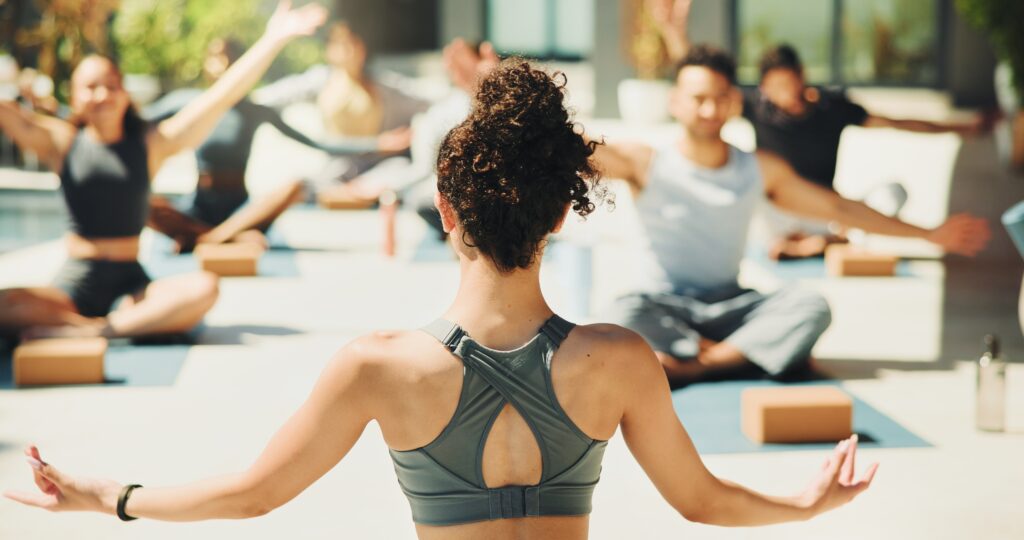
One of the most overlooked aspects of cueing is word economy.
In Pilates, the body responds best to clear, direct language. Habitual filler phrases like now, we’re going to, or let’s try can unintentionally soften a cue and slow the body’s response. As a general practice, I try to use 3-4 word cues. Lay on your back. Flex your feet. Lift your chest.
This isn’t about being abrupt, it’s about being precise.
Before & After Examples:
Instead of:
Now we’re going to put our feet on the bar.
Try:
Place your feet on the bar.
Instead of:
What I want you to do is start to lift your head and shoulders.
Try:
Lift your head and shoulders.
Instead of:
Let’s just gently begin to roll down slowly.
Try:
Roll down with control.
Clear language creates clarity, confidence, and calm. Students know exactly what’s being asked of them, which helps classes feel grounded and cohesive.
A Note on Tone
Direct cueing doesn’t mean barking commands. Tone, pacing, and presence matter just as much as word choice. You’re not removing warmth, you’re removing noise.
When Filler Words Are Helpful
There are moments where softer language is appropriate:
- Introducing a brand-new concept
- Offering reassurance to anxious students
- Slowing the pace in restorative or therapeutic settings
Like everything in Pilates, cueing is about discernment and it largely depends on where your students are in the moment. Use filler intentionally, not habitually.
Try this: listen to yourself teach and notice how often you say now, let’s, or we’re going to. Experiment with removing one phrase at a time and feel how the room responds.
Less Is More: Avoid Over-Cueing
One of the most common mistakes teachers make, especially early on, is trying to share everything they know and cueing every second of every exercise. They lead with technical language, stack too many cues at once, or assume students understand exercise names and anatomical terms.
Experienced teachers do the opposite.
Clear cueing isn’t about sounding smart or using fancy language, it’s about getting a room full of people moving together quickly, safely, and with confidence. That level of clarity takes practice. It requires choosing simple, direct words that create an immediate picture in the body, rather than overwhelming students with technique before they’ve even started moving.
Over-cueing often comes from discomfort with silence. I learned this firsthand when I began teaching Yin Yoga. When silence gets uncomfortable for us, we tend to want to fill the space, but constant cueing can actually work against the experience.
Over-cueing can:
- Overwhelm students
- Pull attention out of the body
- Create dependency instead of awareness
Silence is not a failure, it’s an invitation. When you give fewer, clearer cues, you allow students time to feel what you’ve said and explore the movement for themselves.
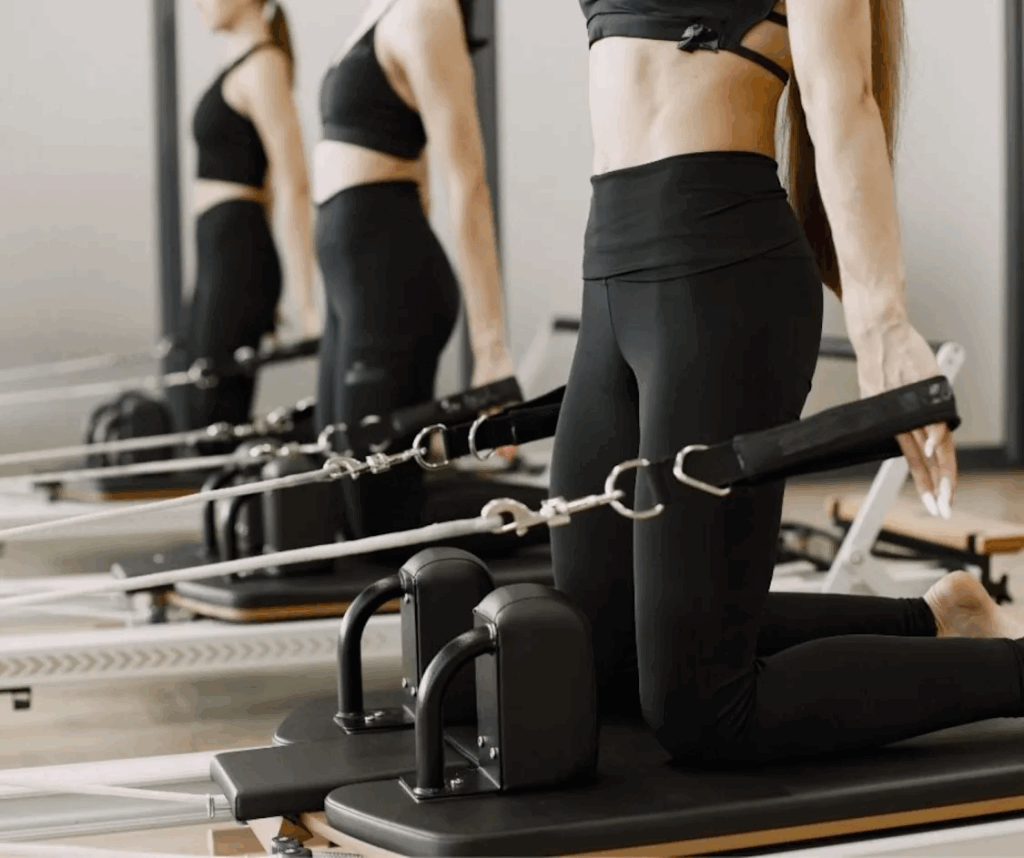
An Example: Cueing Reformer Footwork
Assume students are lying on their backs with their feet on the footbar.
Experienced cue:
Press the carriage away, fully extend your legs, then bend the knees to return home.
Beginner cue:
On your exhale, engage your core, make sure your pelvis stays neutral, track your knees over your second toe, and slowly press out through the heels before controlling the return.
Although the second cue sounds more detailed, it assumes students know what “neutral pelvis” feels like, how to consciously engage their core, and how to monitor knee tracking, all before the movement even begins. There’s no clear picture of the action.
The experienced cue focuses on simple action and direction: press away, extend, return. It gets the body moving first. The finer technique cues can be layered in later, once the movement is underway.
This is the art of effective cueing: start with the gross motor action, then refine. An experienced instructor uses early repetitions to add depth, clarity, and empowerment, responding to what they see in the room rather than delivering everything all at once.
A Simple Framework for Better Cueing
Instead of trying to memorize cues, think in layers:
- Position – Where are we starting?
- Action + Direction – What are we doing and where are we moving?
- Technique / Finer Details – How can we refine or support the movement?
The best cues aren’t scripted, they’re responsive. They depend on the moment, the bodies in front of you, and what those bodies actually need. Less cueing doesn’t mean less skill. It means more trust, more presence, and a deeper respect for your students’ ability to feel and learn through movement.
Cue to Support, Not Control
The best cueing empowers students rather than micromanaging them.
Ask yourself:
- Is this cue necessary right now?
- Does it support safety, clarity, or embodiment?
- Am I guiding or correcting out of habit?
When cueing is intentional, students move with more confidence, autonomy, and trust in their bodies.
Pilates cueing is an art, one that evolves as you grow as both a mover and a teacher. The most effective cues aren’t memorized; they’re responsive. They meet the moment, the room, and the bodies in front of you.
Clear language, thoughtful pacing, and intentional restraint don’t just improve technique, they support nervous system regulation, embodiment, and long-term sustainability for both teacher and student.
Say less. Mean more.
Let the movement do the teaching.
If cueing feels harder than programming, you’re not alone. This Cueing Cheat Sheet breaks cues into three simple layers so you can teach with more ease, clarity, and confidence.
Thank you for being here. I’m glad you found your way.
Join the newsletter for thoughtful insights, resources, and updates.
Come say hi on Instagram.